
summer learning
Build Everyday Skills for a Strong Start
Summer is full of opportunities to learn, play, and explore. Whether you’re spending the day at the beach, visiting a park, running errands, or staying close to home, everyday moments can help children build the skills they need for kindergarten readiness.
The good news? Learning doesn’t have to look like homework, it happens naturally through play, conversation, and connection.
Everyday Moments. Big Impact.
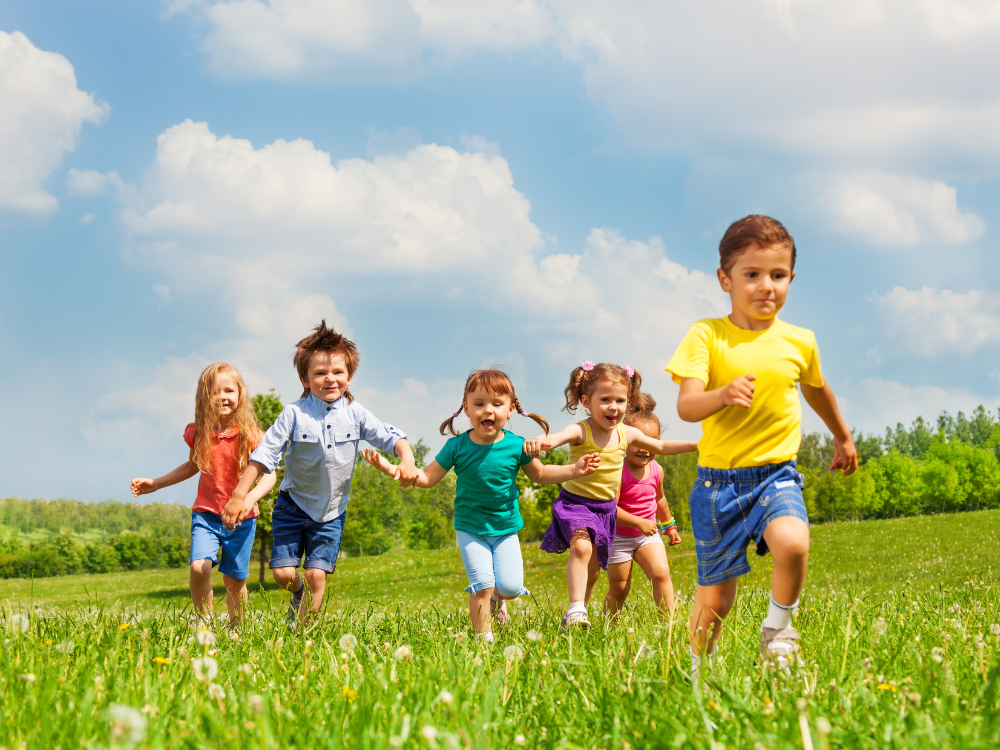
Kindergarten readiness develops through everyday experiences, not just structured learning or classroom activities. Helping put away toys, opening a snack container, taking turns during play, or asking for help when needed are all important moments that support early learning and development.
These experiences help children build confidence, independence, and the foundational skills they need for a strong start in kindergarten.
Name Recognition & Early Writing
Recognizing and using their full name is one of the first ways children connect with letters and print. Building hand strength and coordination also helps prepare them for writing, drawing, and other classroom activities.
Try this at home:
- Practice saying and spelling their first and last name together.
- Encourage them to sign artwork, cards, or coloring pages.
- Point out their name on labeled belongings like backpacks and water bottles.
- Draw with crayons, markers, or sidewalk chalk.
- Build letters using playdough, sand, or beach sand molds.
- Use child-safe scissors to snip paper or cut shapes.
Communication, Listening & Following Directions
Children who can express their needs, ask questions, and follow directions often feel more comfortable navigating new situations and classroom routines.
Try this at home:
- Practice phrases like “Can you help me?” or “I need help, please.”
- Ask open-ended questions about their day, drawings, or activities.
- Play listening games like Simon Says.
- Give simple two-step directions during daily routines.
- Involve them in cooking or baking with step-by-step instructions.
Independence & Everyday Routines
Kindergarten is full of routines. Practicing everyday tasks at home helps children build confidence and learn to do more on their own.
Try this at home:
- Let them get dressed with minimal assistance.
- Practice opening snack bags, containers, and water bottles.
- Pack a picnic and let them manage their own meal.
- Encourage proper handwashing before meals and after using the restroom.
- Have them carry their own backpack or belongings.
- Encourage simple responsibilities like cleaning up toys, setting the table, or watering plants.
Sharing, Taking Turns & Playing with Others
Learning how to cooperate, wait patiently, and play alongside others helps children build friendships and feel comfortable participating in group activities. Summer provides plenty of opportunities to practice these important social skills through everyday play and family time.
Try this at home:
- Play board games or card games together and practice taking turns.
- Take turns choosing family activities, books, or movies.
- Encourage sharing during playdates or group activities.
- Work together to build something, such as a puzzle, block tower, or sandcastle.
- Talk about feelings and how others might feel in different situations.
- Practice using kind words like “Can I have a turn?” and “Would you like to play with me?”
Summer Learning Adventures
Some of the best learning opportunities happen when children are simply exploring the world around them. Whether you’re spending the day at the beach, visiting the library, or taking a walk through your neighborhood, summer adventures can spark curiosity, encourage conversation, and help children build important skills through hands-on experiences.
Beach Day
A trip to the beach is more than just fun in the sun. Children can practice problem-solving, creativity, teamwork, and observation while exploring Sarasota’s beautiful coastline.
Adventure Ideas:
- Build a sandcastle together and experiment with what makes it stronger or taller.
- Collect shells and sort them by size, shape, texture, or color.
- Count waves, shorebirds, or beach treasures.
- Talk about what you see, hear, smell, and feel using descriptive words.
- Create patterns in the sand using shells, sticks, or footprints.
Water Play with a Purpose
Whether it’s a sprinkler, water table, kiddie pool, or bucket of water, water play can help children explore early math and science concepts while having fun.
Adventure Ideas:
- Compare containers using words like full, empty, more, less, heavy, and light.
- Predict which objects will float or sink, then test your ideas together.
- Count cups of water while filling a bucket or water table.
- Create a simple obstacle course using cups, funnels, and containers.
- Ask questions like, “What do you think will happen if…?” and encourage your child to experiment.
Explore Your Community
Every trip around town is an opportunity to learn something new. Community adventures help children build vocabulary, observation skills, and confidence in new environments.
Adventure Ideas:
- Visit the library and let your child choose books that interest them.
- Attend a local festival, farmers market, or community event.
- Point out letters, numbers, signs, and symbols while you’re out and about.
- Talk about the jobs people do in your community.
- Encourage your child to ask questions and share what they notice.
Discover Nature
You don’t have to travel far to discover something amazing. Nature encourages children to observe, investigate, and ask questions about the world around them.
Adventure Ideas:
- Go on a nature scavenger hunt and search for leaves, flowers, insects, or birds.
- Observe butterflies, lizards, or other wildlife and talk about what they’re doing.
- Collect natural objects and sort them into groups.
- Watch clouds and create stories about the shapes you see.
- Start a simple garden and observe how plants grow over time.
Storytime Fun
Books can take children anywhere, from outer space to the ocean floor. Summer is a great time to build a love of reading and storytelling.
Adventure Ideas:
- Visit the library and participate in summer reading programs.
- Create a cozy reading spot at home.
- Let your child choose books about topics they love.
- Read outdoors at the park, beach, or backyard.
- Take turns telling stories and making up new endings to favorite books.
Make the Most of Every Moment
Summer learning doesn’t require worksheets or elaborate plans. The most meaningful learning often happens during conversations, discoveries, and shared experiences.
Follow your child’s interests, ask questions, explore together, and enjoy the adventure.